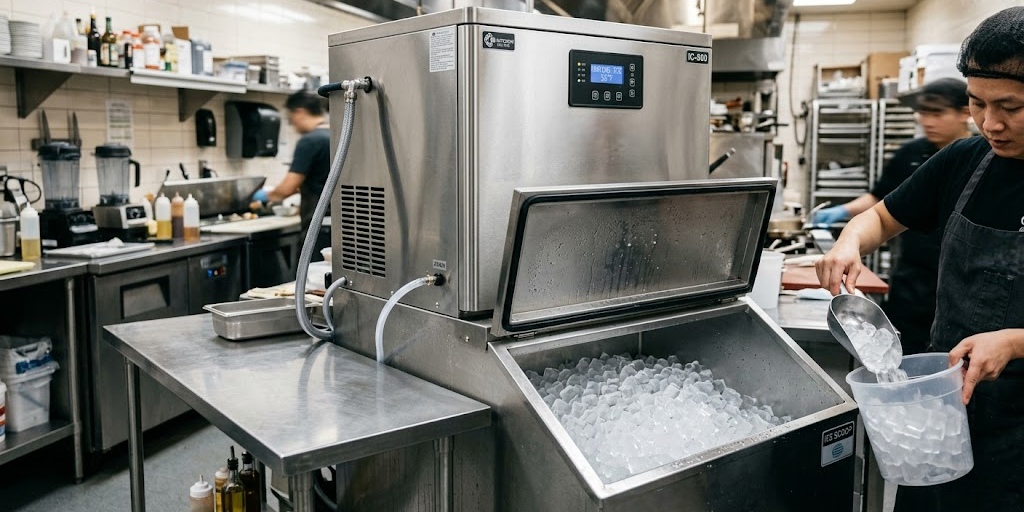
Discover simple, effective ways to inspect your ice machine for scale buildup.
Scale buildup often causes slow ice production and machine problems. This complete guide shows simple diagnostic steps. It also explains the risks of ignoring water scale. It offers practical solutions to keep your ice maker running smoothly. Empower yourself with expert tips to prevent costly repairs and ensure crystal-clear, fresh ice every time.
Understanding Scale Build-Up and Its Impact on Your Ice Machine
What is scale buildup and how does it form?
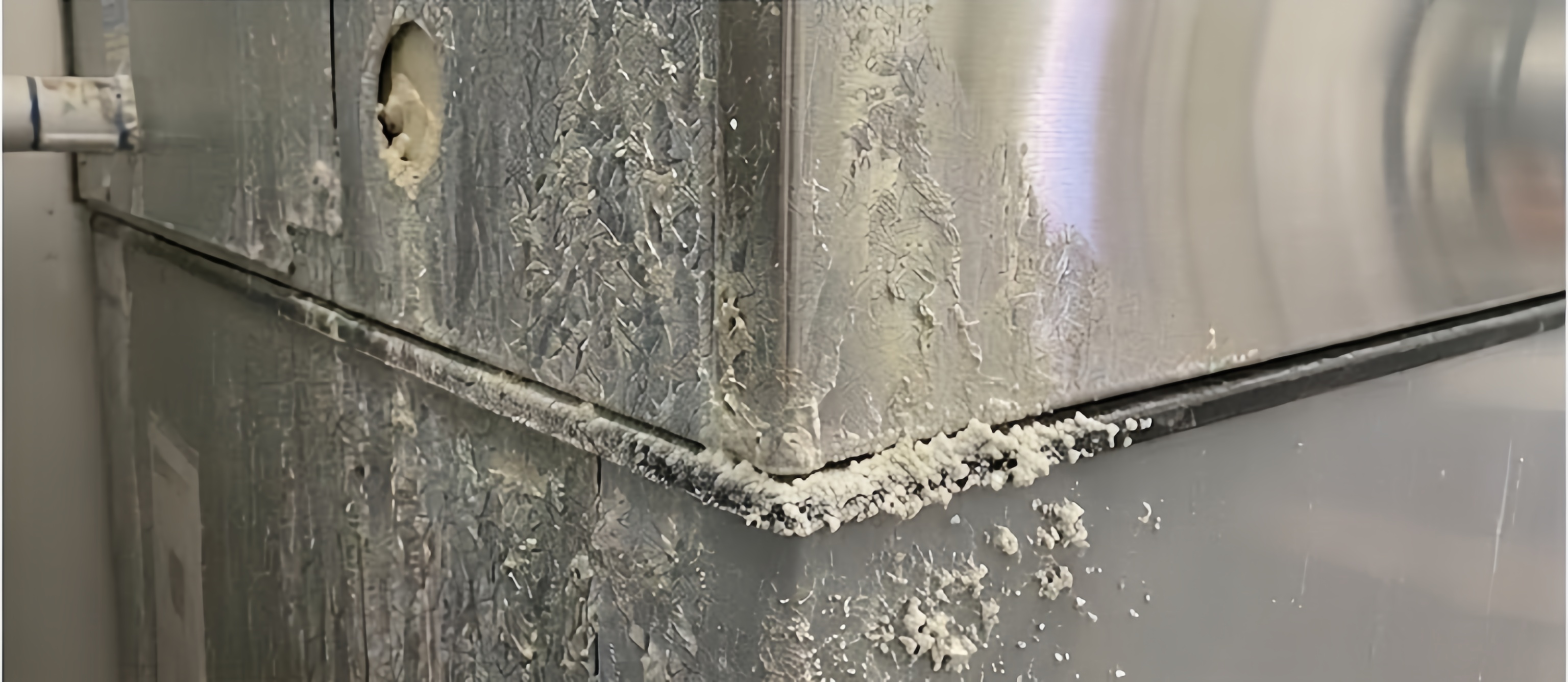
Scale buildup, also called scale formation, happens when minerals like calcium and magnesium in water build up. These minerals can stick to the surfaces of your ice machine. This is common in areas with hard water. High mineral levels speed up calcium build up. However, scale can still form in areas with soft or moderate water. Aging pipes, seasonal water source shifts, and higher operating temperatures can contribute. Water can also evaporate inside the machine. This can concentrate minerals and cause buildup. Over time, these mineral deposits create a crusty, white residue that can impair the machine's functionality.
Common signs and symptoms of scale accumulation
Recognizing early signs of scale buildup is crucial for maintaining your ice machine’s performance. Look out for:
Reduced ice production rate
Ice that appears cloudy or contains mineral deposits
Unusual noises during operation
Increased energy consumption
Visible white crusty buildup around the ice maker components
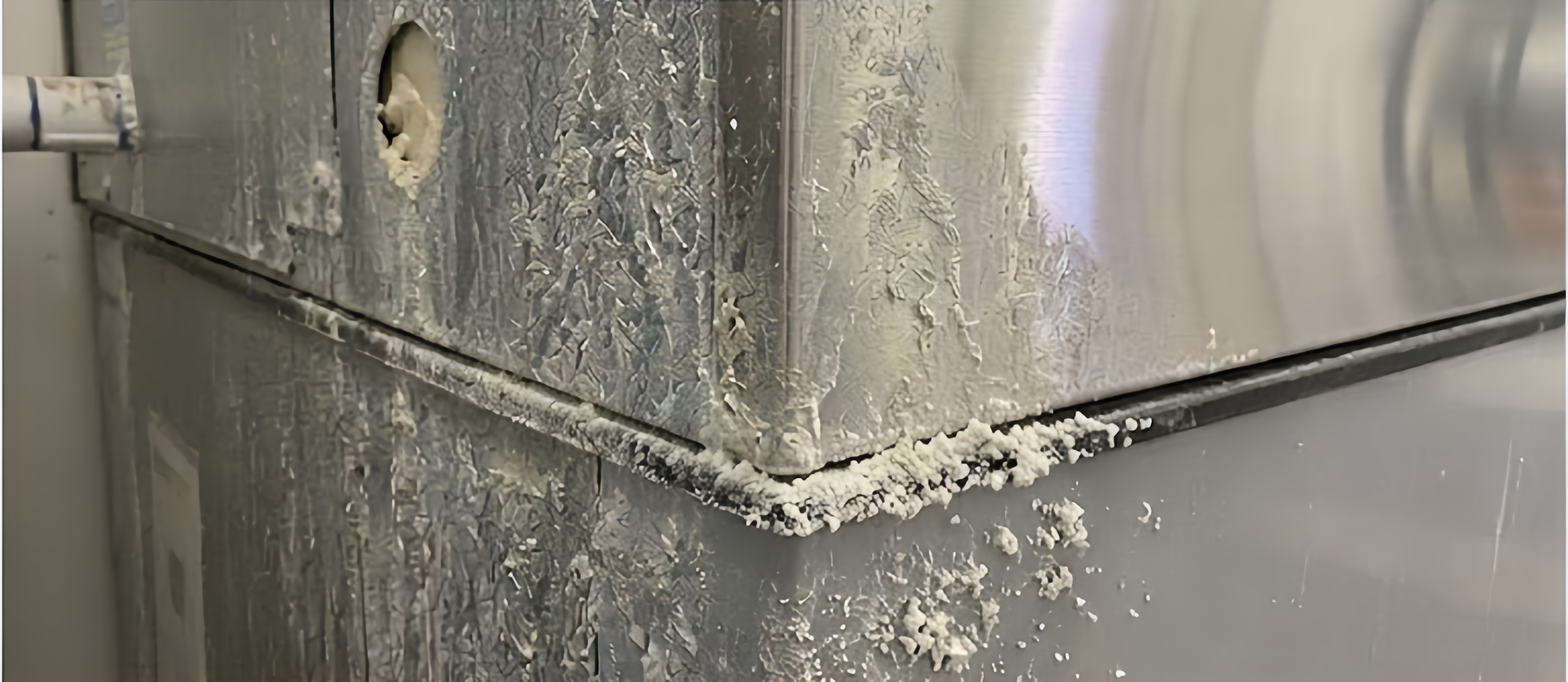
The risks of ignoring scale: reduced efficiency, costly repairs, and compromised ice quality
Neglecting scale buildup can lead to serious issues. It reduces the efficiency of your appliance, forcing it to work harder and consume more energy. Over time, calcium build up can cause mechanical failures, leading to costly repairs or even replacement. Additionally, mineral deposits can compromise ice quality, affecting taste and clarity—an important consideration in commercial kitchens where presentation matters.
Self-Inspection Techniques to Detect Scale in Your Ice Machine
1. Step-by-step guide to visually inspecting your ice maker
1.1 Turn off and unplug the machine for safety.
1.2 Open the access panels to view internal components.
1.3 Inspect the evaporator plate and water trough for white or crusty deposits.
1.4 Examine the water lines and fittings for mineral buildup or discoloration.
1.5 Check the ice bin for cloudy or discolored ice, which may indicate mineral contamination.
2. How to check for mineral deposits and white crusty buildup
Use a flashlight to enhance visibility. Look for:
White, chalky crusts on surfaces
Hard, mineral deposits that feel rough or gritty
Areas where ice seems to stick or not release easily
3. Using simple tools and methods for effective diagnosis
Magnifying glass can help identify fine mineral deposits.
White vinegar solution can be applied to suspect areas to see if deposits dissolve, indicating scale buildup.
Water testing kits can measure mineral content in your water source, helping assess the risk of scale formation.
4. Recognizing early warning signs to prevent major issues
Early detection of calcium magnesium deposits and scale buildup allows for timely intervention. Regular visual checks, especially in hard water areas, can stop scale buildup and extend your ice machine’s life.
Tips for Long-Term Prevention and Optimal Ice Machine Performance
1. Implementing a preventative maintenance schedule
Establish regular inspection and cleaning routines.
Use scale inhibitors to minimize mineral deposits.
Keep detailed records of maintenance activities and water quality.
2. Choosing the right water treatment options
Evaluate your water source to determine the level of hardness.
Invest in high-quality water filtration and scale inhibitor systems suited for your environment.
Consider installing a hot water system with built-in scale prevention features.
3. Monitoring water quality and ice production efficiency
Regularly test your water for mineral content.
Track ice production rates and quality to identify early signs of scale buildup.
Adjust filtration and cleaning protocols accordingly.
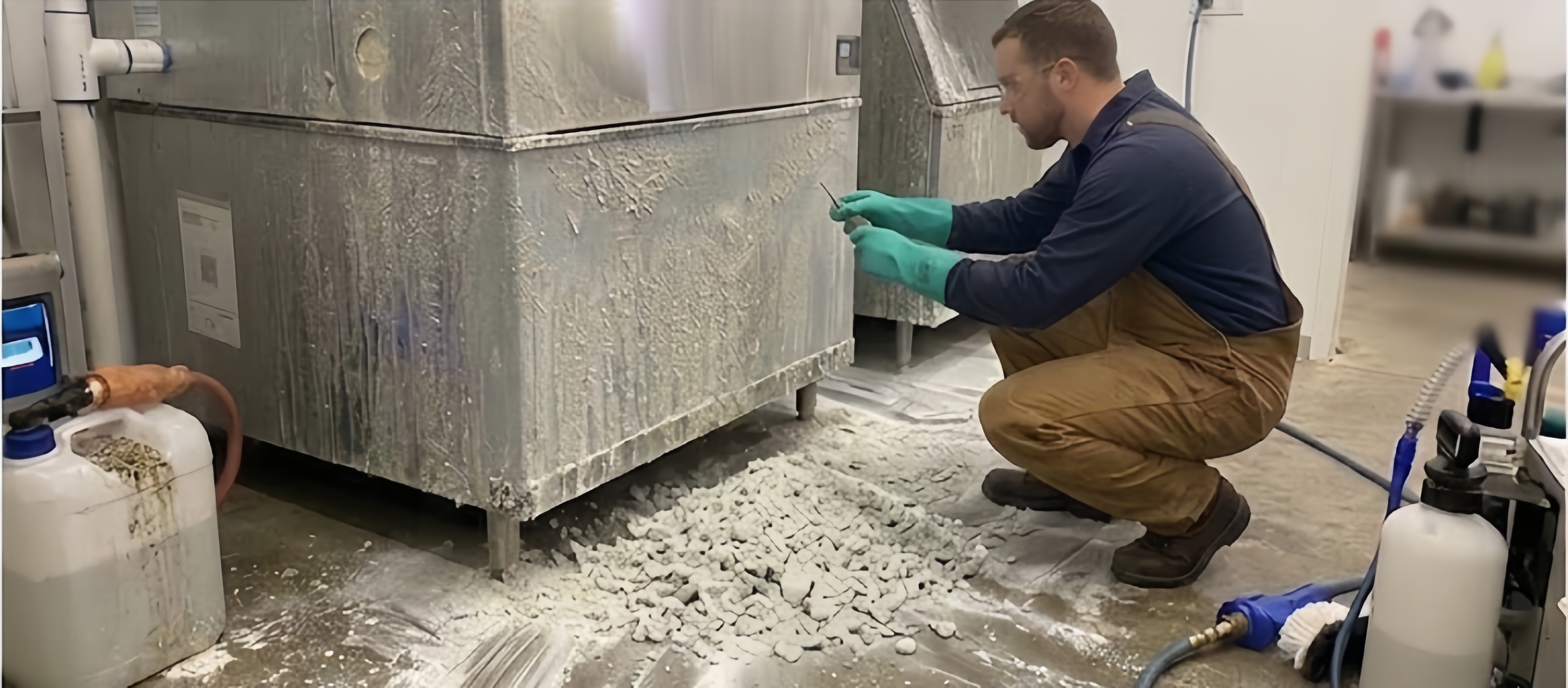
By using these self-check tips and simple prevention steps, you can greatly reduce calcium buildup and scale in your ice machine. Proper water Proper water filtration, routine cleaning, and professional service help your appliance make clear, fresh ice efficiently. This saves you money and helps it last longer.
 United States
 Thailand
 Indonesia