The answer is dependent on your water profile. While you can technically use either, both options carry massive operational risks for a commercial facility. Raw tap water introduces toxic chemical variables, while distilled water is simply far too expensive to scale.
Determining your baseline is simple. If you are on city water, your local water department offers free water reports online. Well-water facilities will need a dedicated lab analysis—either through mail-in soil/water diagnostic kits or a local plant laboratory.
To protect your yields and increase profit margins, you need to understand your source water. It affects your grow operation. It also affects your automated equipment.
1. The Chlorine Crisis in Tap Water
Municipal water treatment plants add chlorine and chloramines to keep drinking water safe for humans. However, these chemicals create a massive crisis in a commercial hydroponic system:
Chlorine Toxicity: Excessive chlorine causes plant leaves to yellow and brown, eventually killing the crop.
Destroying Beneficial Microbes: High-yield hydroponics relies on beneficial bacteria and fungi to optimize root health and nutrient absorption. Chlorine instantly wipes out these helpful organisms.
The Chloramine Trap: Unlike standard chlorine, chloramines do not evaporate when left to sit out or bubble. Removing them completely requires advanced filtration.
2. The TDS Trap: Mineral Lockout & Clogging
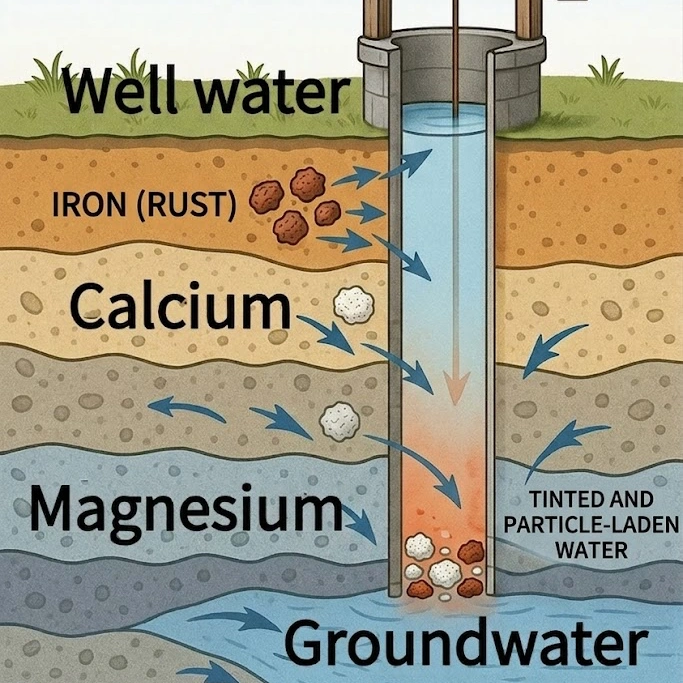
Tap water is often packed with random city minerals like calcium carbonate, sodium, and heavy metals. These dissolved solids can raise TDS (Total Dissolved Solids) levels.
When your source water is already full of unknown minerals, it triggers two major disasters:
Nutrient Lockout: Your plants may absorb the wrong minerals from tap water. Then they cannot take in the premium nutrient formulas you paid for. This is fatal for premium boutique crops where final density and aromatic quality matter most.
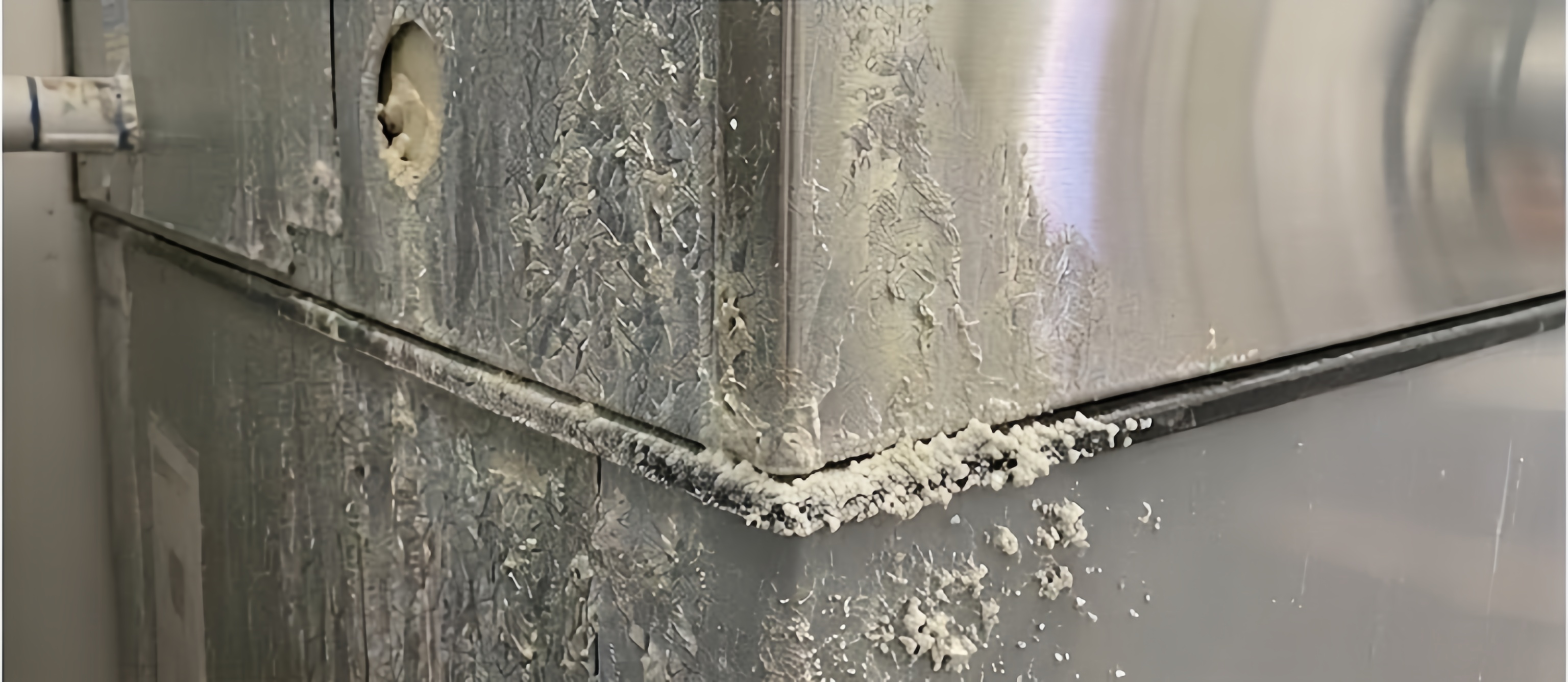
Salt Buildup: Hard water leaves crusty scale deposits that clog irrigation lines. It can ruin automated dosing valves and damage expensive commercial pumps.
Never use raw source water above 150 ppm for professional cultivation—it requires proper treatment first.
3. Why Distilled Water is Not the Solution
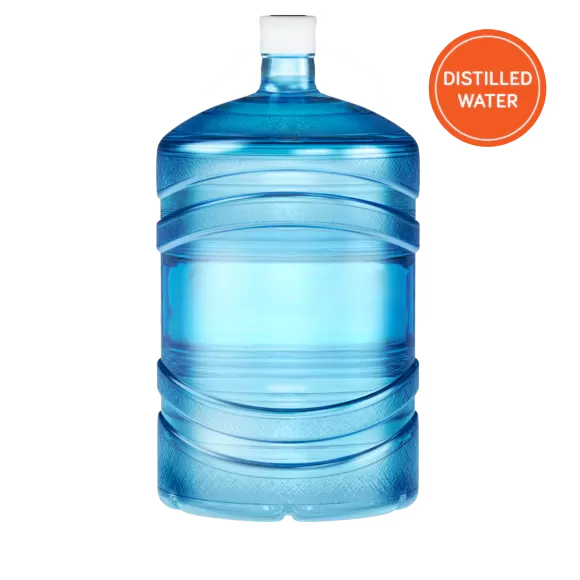
To avoid the dangers of tap water, some growers turn to distilled water. While it is completely pure, it creates a massive logistical and financial bottleneck:
High Costs: Buying or making thousands of gallons of distilled water will instantly destroy your profit margins.
Not Scalable: Relying on distilled water makes high-capacity automation financially impossible.
4. The Smart Alternative: Reverse Osmosis (RO) Water
You do not have to choose between toxic tap water and overpriced distilled water. The gold standard for professional growers is RO water.
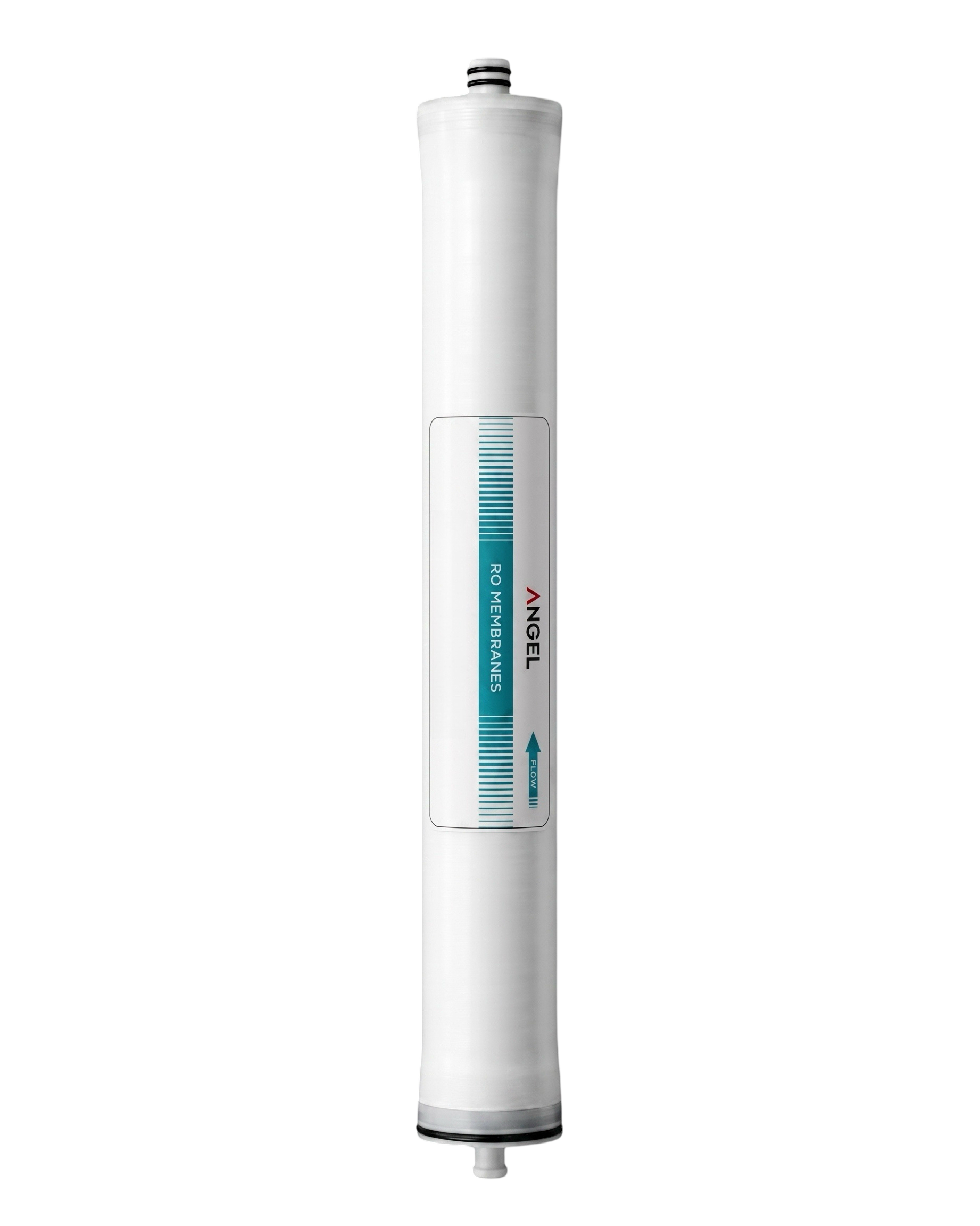
Investing in a commercial RO system eliminates 98% of heavy metals, chlorine, and TDS instantly. It resets your water supply to a clean, “Zero-Point” slate. This lets you build nutrient profiles with full predictability.
For commercial hydroponic facilities demanding strict EC/pH monitoring, the ANGEL RO System offers the perfect solution:
Advanced Membrane Protection: High-capacity carbon blocks trap harsh chemicals before they reach the RO membrane. This helps prevent early damage and lowers replacement costs.
Ultra-High Efficiency: Standard filters waste a lot of water. ANGEL systems run at up to 80% recovery. This cuts water waste and lowers your utility bills.
Consistent, High-Value Yields: When your water baseline is perfectly clean, tracking plant health becomes effortless. Your crops grow faster, healthier, and deliver maximum market value.
Take Control of Your Water Baseline
Stop letting municipal additives and unpredictable water quality dictate your crop success and equipment lifespan. Invest in a system built to maximize your ROI.
[Contact the ANGEL Team today to find the perfect commercial RO setup for your grow facility.]
 United States
 Thailand
 Indonesia